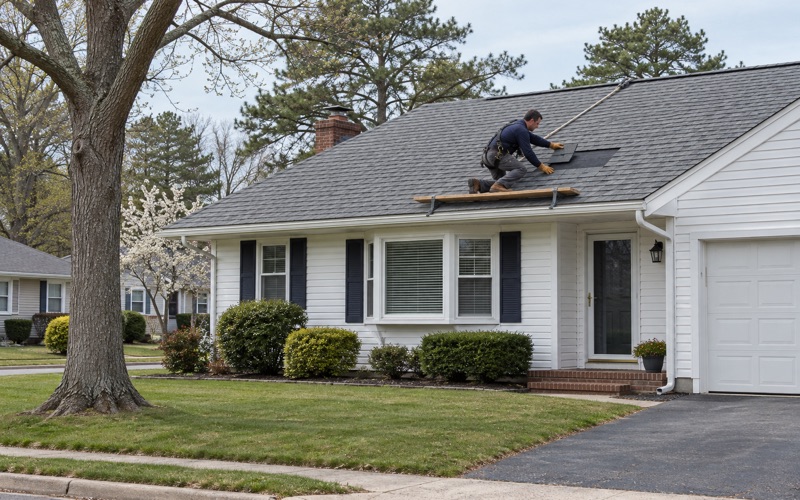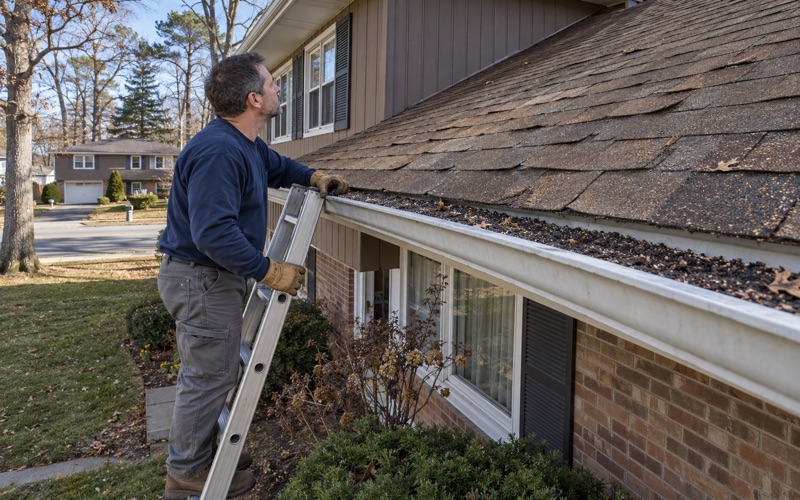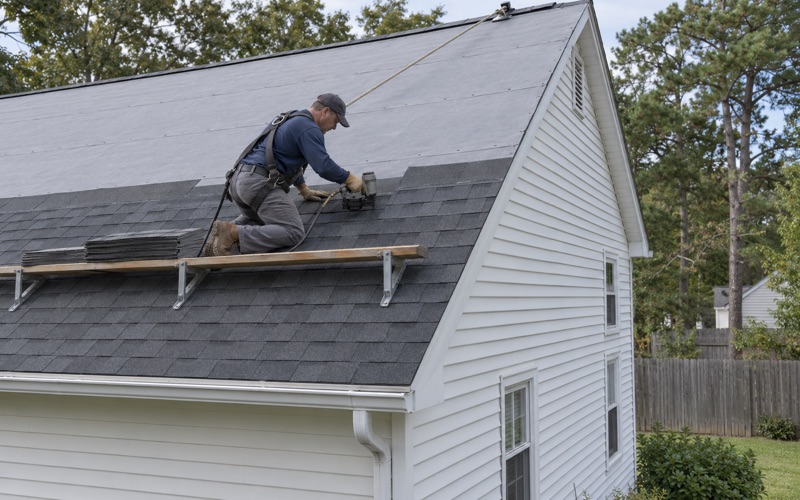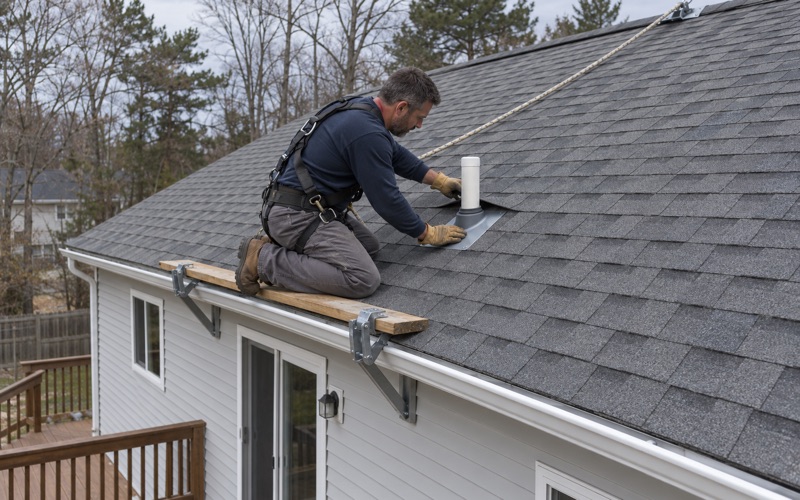
Toms River Elite Roofing has handled roofing in Bordentown Township and across New Jersey for more than 20 years, and the question we hear most here is not about shingles at all. It is about who should answer the call when a newer roof starts to leak. Sometimes that is us, and sometimes it is the company that built the house.
Sorting the two is the point of our first visit. We go into the attic as well as up on the roof, because a ceiling stain rarely sits directly under the spot where water gets in. Once the path is traced, you hear plainly whether the problem looks like a workmanship defect, storm damage or ordinary wear.
Older roofs get a simpler answer, and we tell you whether a repair will hold before replacement ever comes up. Either way, nothing is priced until the cause of the water is clear and you have seen what we found.
Bordentown Township’s Newest Homes and Their Warranty
Building Has Not Stopped Here
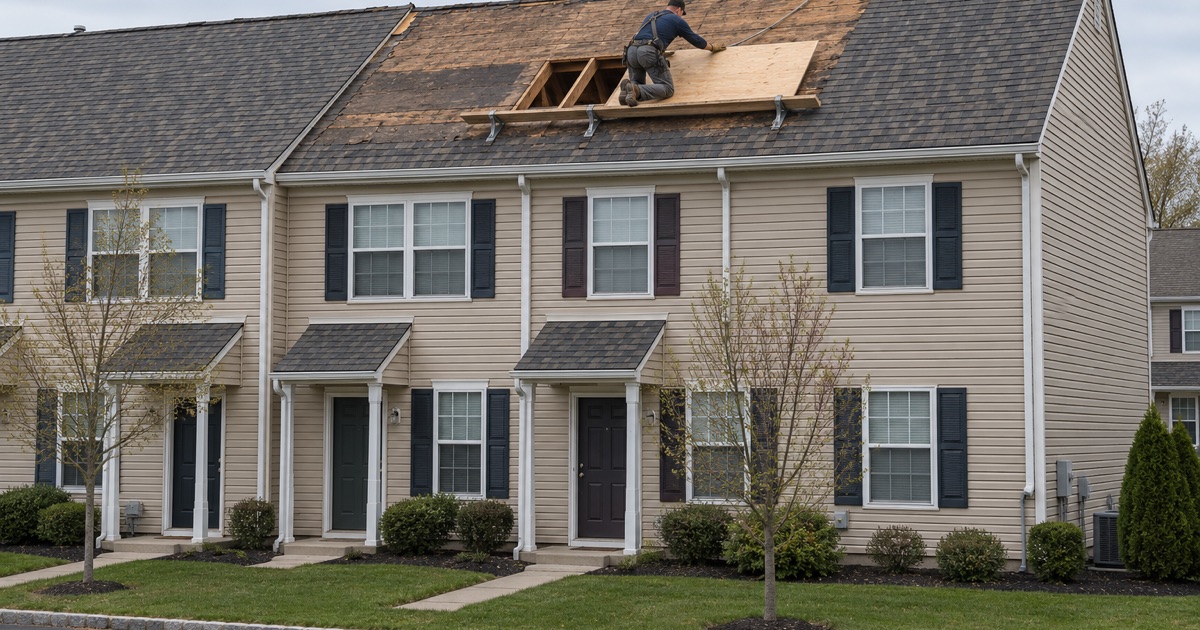
Bordentown Township, in Burlington County, grew by 35.6 percent between 2000 and 2010 and by another 3.7 percent by 2020, when the census counted 11,791 residents. The latest census estimates count 231 homes built in 2020 or later, plus 290 more from 2010 to 2019. That is a sizable share of roofs young enough that a leak raises a warranty question before it raises a repair question.
A roof that new should not be letting water in during ordinary weather, and when it does, the builder and the warranty are part of the answer from the first phone call. On an older home the same stain is just a repair to diagnose. Knowing which kind of house you are calling about shapes everything we recommend afterward.
Rising Sun Meadows and the Reserve at Turgyan Farm
Two named communities show the pattern. D.R. Horton’s Rising Sun Meadows on Marion Avenue is made up of four-bedroom townhomes with finished walk-out basements and two-car garages, most of them built in 2024. Lennar announced its Reserve at Turgyan Farm in September 2025 as single-family homes coming that fall, with houses on Turgyan Drive and a sales office on Ward Avenue.
Owners in both communities are in or near the early warranty years right now. One resale listing in Rising Sun Meadows advertises that the home is still under its 10-year builder’s warranty, so the coverage is plainly part of what buyers are weighing. Which warranty plan backs either community is something to confirm from your own closing papers, and we do not assume it.
What the New Jersey New-Home Warranty Says
Every new home in New Jersey carries a builder warranty set out in N.J.A.C. 5:25. It runs one year for workmanship and materials defects measured against performance standards, two years for mechanical and electrical systems, and ten years for major structural defects. Roofing workmanship falls in the first-year tier, so the clock that matters most for a shingle or flashing problem is short.
The rule also says how a defect gets fixed. The builder is responsible for correcting a defect that appears within the warranty period, but the choice between repairing it, replacing it or paying the reasonable cost belongs to the builder. Written notice has to reach the builder no later than seven calendar days after the warranty on that item expires, so a late letter can lose the claim.
Looking for roofing closer to Southampton? See Roofing Services in Southampton.
Builder Defect or Storm Damage: Where the Line Falls
What the Roofing Standard Treats as a Defect
Under the state’s roofing performance standard, a roof or flashing leak during normal weather in the first year is the builder’s to correct. So are shingles that lift or curl in that first year. Those are the usual signs of a fastening, sealing or flashing detail that was not finished properly, and they belong on the builder’s list rather than ours.
A first-year roof leak in a new townhome often shows up somewhere unexpected, such as a garage ceiling or the top of a wall where two units meet. Write down the date, the weather and where the water appeared, and take photos before anything dries. That record is what turns a written notice from a vague complaint into a specific one.
What the Warranty Leaves Out
The same standard excludes leaks caused by ice and snow build-up, high winds and driven rain. A storm that tears tabs off a slope or pushes water sideways under a ridge cap is weather, not a workmanship defect, even on a home a few months old. Normal wear and tear is excluded as well, along with damage made worse by poor upkeep or by failing to act quickly to limit it.
Bordentown Township sits in the National Weather Service’s Northwestern Burlington forecast zone, handled by the Mount Holly office, and the warnings issued for that zone are worth saving alongside your photos. They help show whether a leak arrived with wind-driven weather or on a calm, ordinary day, which is exactly the question those exclusions turn on.
When the Answer Is Not Obvious
Plenty of leaks sit in between. A flashing joint that was installed short can hold for months and then fail in the first hard rain, which leaves both sides with a fair argument. In that case we document what we find from the attic and the roof, note which details look like installation and which look like weather, and leave the warranty conversation to you and the builder.
We do not argue the case for either side, and we do not tell you what the builder has to do about it. What we can give you is a clear description of the leak, the photos behind it and our honest read of the likely cause. That is usually enough for an owner to send a specific notice and judge the response.
When an Outside Roofer Makes Sense on a New Home
Why We Usually Say Call the Builder First
New Jersey’s rule excludes any defect in, or caused by, materials or work supplied by anyone other than the builder or its subcontractors. The state’s exclusions form adds that work on the home by the owner, or by a contractor the owner hires, is excluded from coverage. If we repair a section of a first-year roof, that piece of the roof can fall out of the warranty.
That is why we often tell new-home owners to hold off on hiring us. It costs us a job now and then, but in a home’s first year the builder is the party responsible for correcting a defect, and a letter costs far less than a repair you pay for yourself.
Where Our Inspection Still Helps
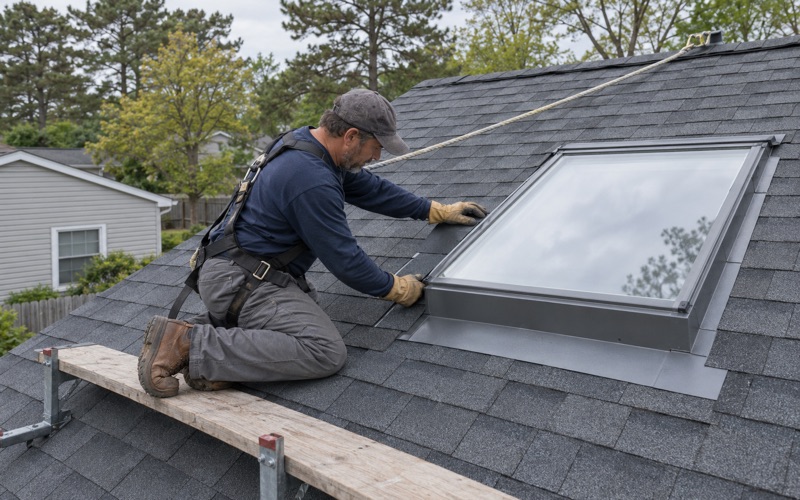
An independent look changes nothing on the roof, and it can still be useful. We trace the water from the attic, photograph the shingles and flashing, and write up what we see, so your notice to the builder names a location and a likely cause. When the damage is clearly from a storm, the same photos and write-up go toward your own claim, and we will meet the insurance adjuster on site if you ask.
After the Early Years
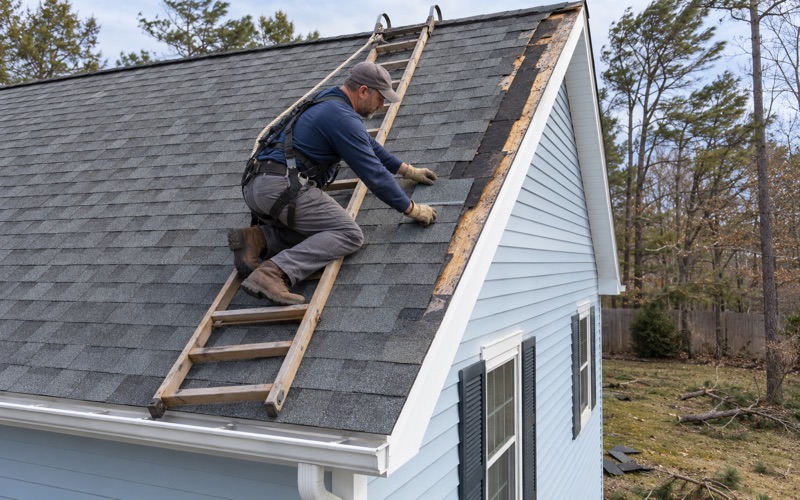
Once the one-year workmanship window has closed, a shingle or flashing problem on a newer home is ordinary repair work. Lifted tabs, a loose pipe boot or a missing kick-out flashing that sends water down a sidewall are the kinds of fixes we make on young roofs. Anything that looks structural rather than surface-level is worth raising with the builder first, since that tier runs ten years.
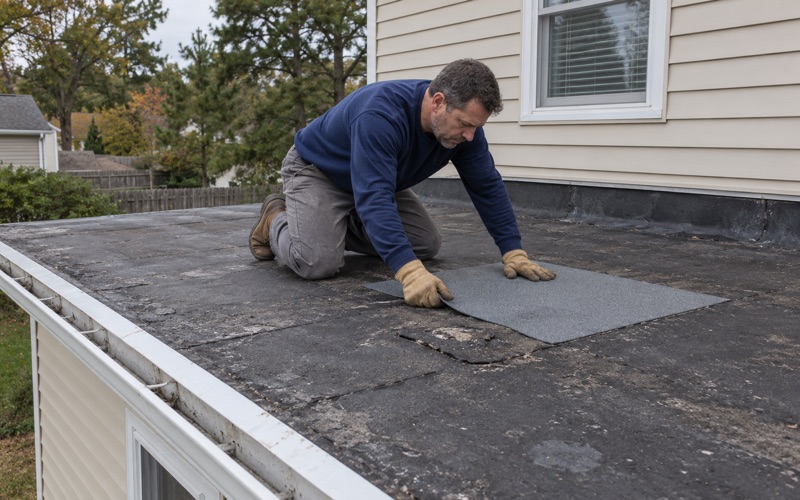
Young roofs also pick up damage that no warranty was ever meant to address. A limb that falls in a windstorm, a satellite mount drilled through the shingles or a gutter torn loose by sliding snow all call for an ordinary repair. On those jobs we price the fix on its own and leave the rest of the roof alone.
Roof Repair and Replacement in Bordentown Township
Repairs First, Replacement Only When Needed
Not every home here is new, and housing in the township spans many decades. Plenty of roofs are at or past mid-life, and on any of them we say whether a repair will hold before replacement is on the table. If it will not, we explain why, using what we saw in the attic and on the roof rather than the age of the house alone.
When a roof does need replacing, our estimate lists tear-off, decking, underlayment, flashing, ventilation and gutters as separate lines. That lets you set our number beside another contractor’s and compare the two item by item, instead of weighing one total against another with no idea what either one includes.
What Goes Into a New Roof
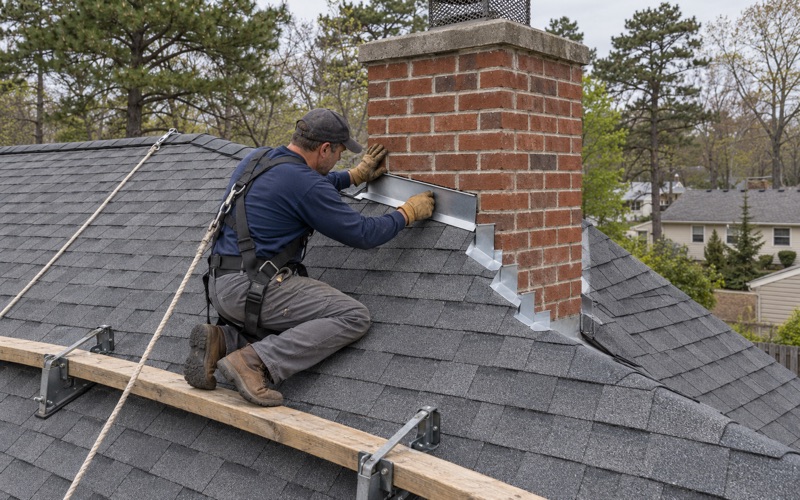
Step, counter and chimney flashing is replaced with the roof, never reused under new shingles. If damaged decking turns up once the old layers are off, we photograph it and show you before replacing it at the per-sheet price written into the contract. We also check attic ventilation on every replacement, because a roof that cannot breathe ages from the underside.
Materials are matched to the house: architectural shingles such as GAF Timberline HDZ, Owens Corning Duration or CertainTeed Landmark on most pitched roofs, ASTM D1970 self-adhering ice and water barrier in valleys and around penetrations, and drip edge at eaves and rakes. On a townhome row, we also look at how the roof ties into the neighboring unit before we quote.
Contracts, Cleanup and Selling a Home
Contracts follow New Jersey’s home improvement rules, including the three-day cancellation notice. At the end of each workday the crew cleans the driveway, yard and gutters and runs a magnet across the lawn for stray nails. If the house is going on the market, we can provide a written roof condition report you can hand to the buyer’s inspector.
That report matters on newer homes too. A buyer looking at a townhome in Rising Sun Meadows will want to know whether any roof leak was reported to the builder and what came of it, so we note the condition we found and leave the warranty history to your own records. A clear page of findings tends to shorten the back-and-forth at inspection.
- 20+ Years on Shore Roofs
- Line-Item Written Scopes
- Attic and Roof Leak Tracing