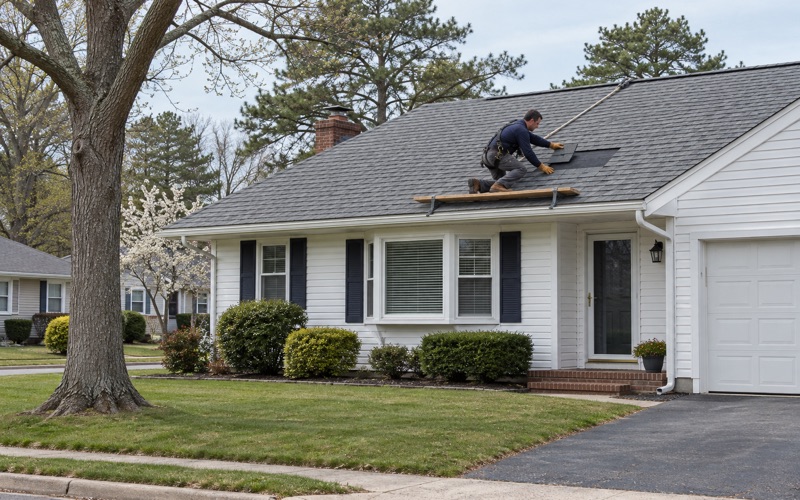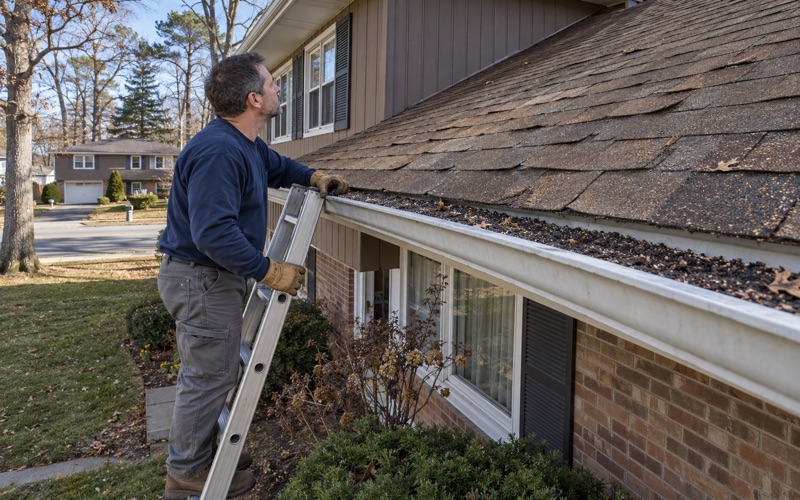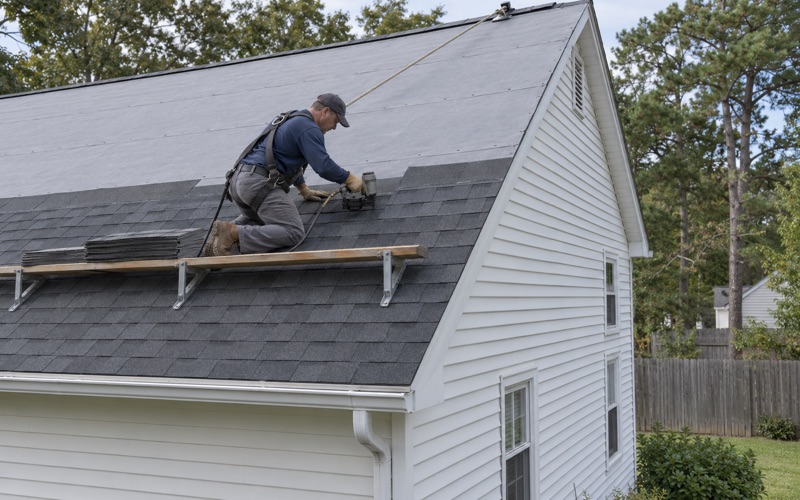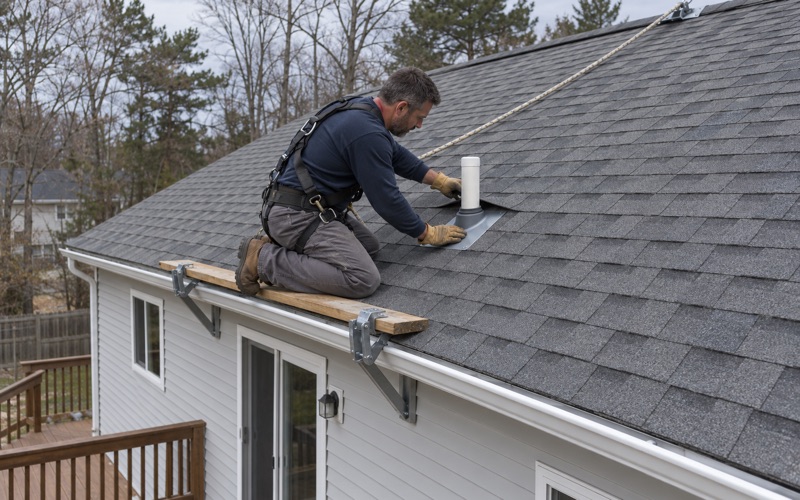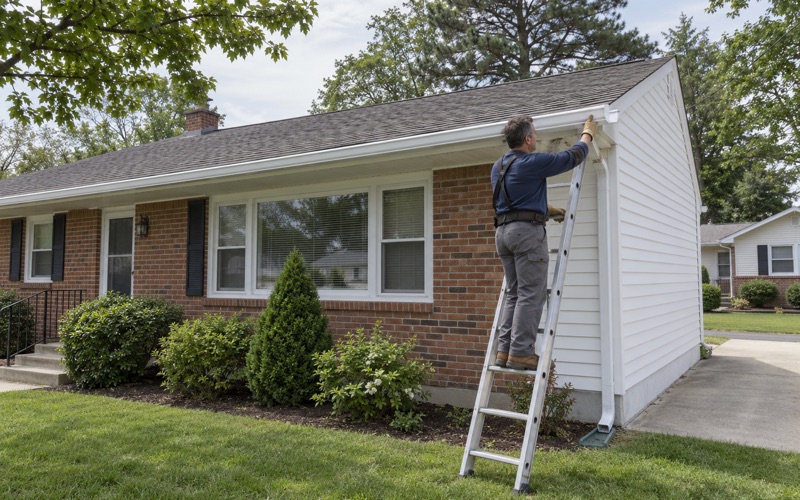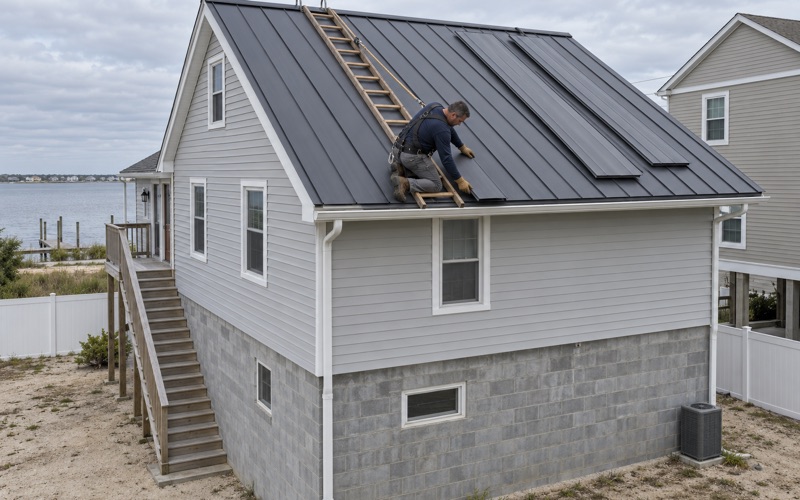
Toms River Elite Roofing has spent more than 20 years on roofing in Point Pleasant Beach and the rest of Ocean County, and much of what we see here is not a plain house roof. Commercial buildings, shops with living space upstairs, and older cottages all share the same few blocks, and each one asks for a different plan before a single shingle comes off.
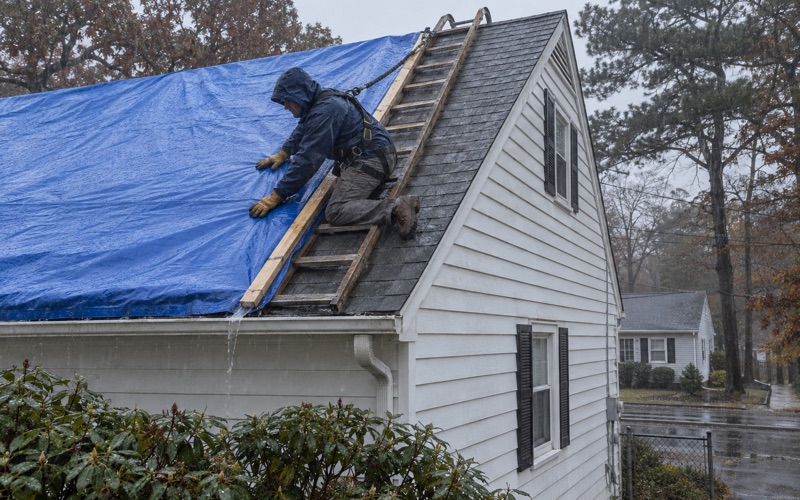
We start every job the same way. When water is getting in, we look in the attic as well as on the roof, so the leak is traced to its real entry point before anyone talks about price. If a repair will hold, we say so plainly, and replacement only comes up when the roof has actually run out of life.
When a roof does need to be replaced, our written scope breaks the work into separate lines for tear-off, decking, underlayment, flashing, ventilation and gutters. An owner holding two bids can then compare them item by item instead of guessing at what a single lump-sum number includes or leaves out.
A Mile of Boardwalk Built Under Permanent Roofs
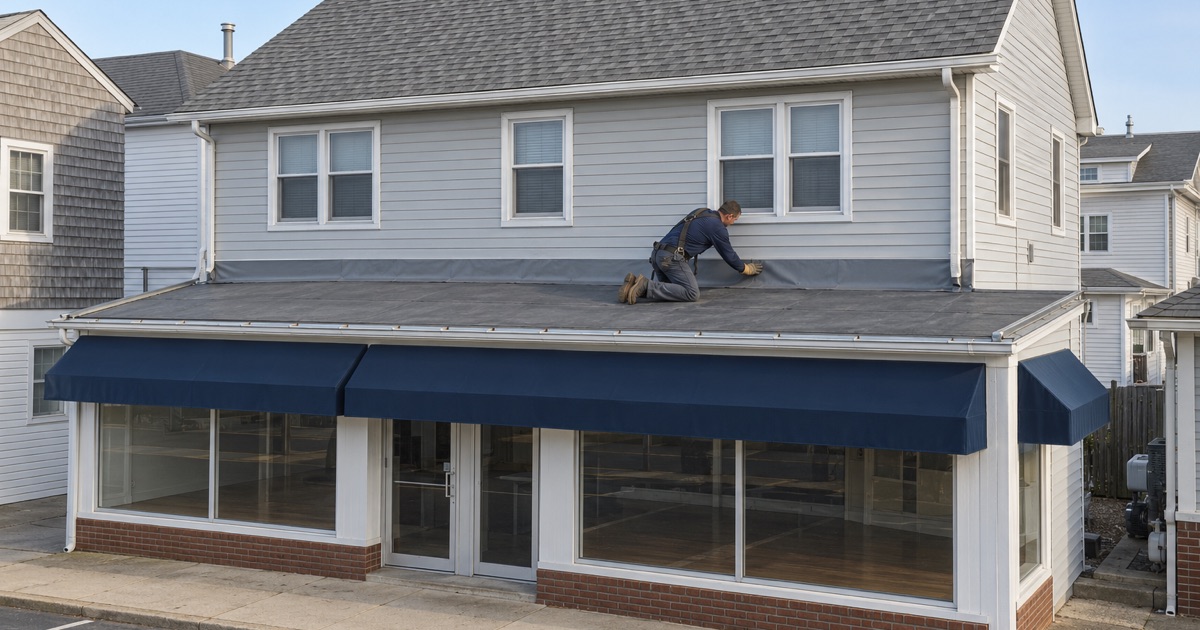
From the Manasquan Inlet to New Jersey Avenue
Point Pleasant Beach sits at the northern end of the Barnegat Peninsula, the barrier island between Barnegat Bay and the open Atlantic. Its boardwalk runs about a mile from the Manasquan Inlet down to New Jersey Avenue, and along most of that stretch the business frontage is a row of roofed buildings rather than open stands.
That matters to us because a boardwalk roof is rarely a simple gable over a single room. Pavilions, arcades and restaurants carry wide, low-slope sections, parapets, rooftop equipment and additions joined on over the decades. Each joint between an older roof and a newer one is a place where water looks for a way in, and that is where our inspection spends its time.
The 1948 zoning section and the Pavilion case
The roofed frontage is partly a matter of history. In May 1948 the borough adopted a zoning section requiring boardwalk businesses, other than parking lots, tennis courts, miniature golf and miniature railways, to operate under cover of permanent buildings. The Appellate Division reviewed a conviction under it in 1949, in Borough of Point Pleasant Beach v. Point Pleasant Pavilion, Inc.
That case turned on an open-air ride near Arnold Avenue. We know it from case summaries, not from the full opinion, and we have not read how the borough’s development rules read today. What the history does explain is why so much of the boardwalk’s business happens under a roof that someone eventually has to maintain, repair and replace.
What the 1938 hurricane took
The boardwalk was once longer. The hurricane of September 21, 1938 tore up more than 3,800 feet of it, according to the Ocean County Leader as quoted by the Point Pleasant Historical Society, and the southern end that used to run toward Bay Head has never been replaced.
The 1938 accounts describe lost boardwalk, piers and pavilions rather than roofs, so we do not stretch them into a roofing story. They are a reminder, though, that everything on this strip faces the ocean directly. When we plan a roof here, we treat the exposure as part of the job rather than as background.
Looking for roofing closer to Brielle? See Brielle Roofing.
Pavilions, Arcades and Apartments Over Shops
Wide roofs over pavilions and arcades
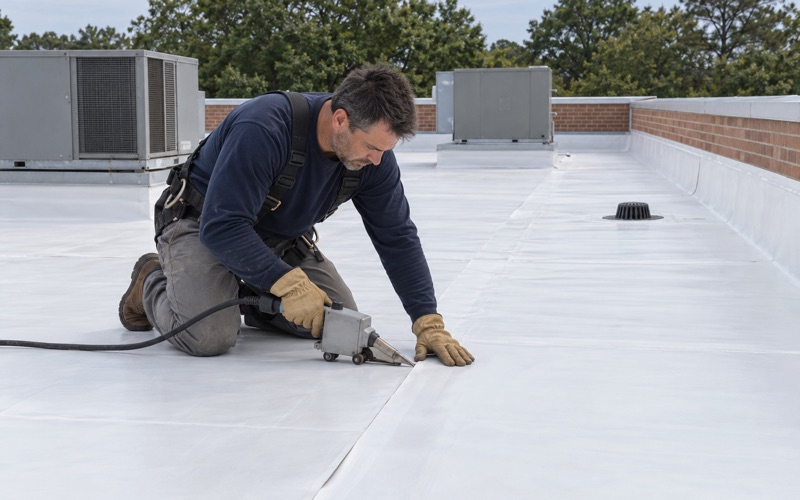
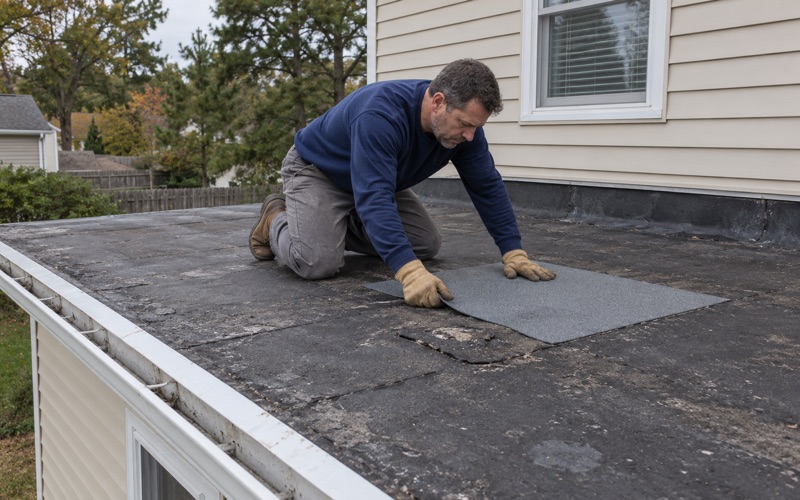
A pavilion or arcade roof covers a large open floor with few interior walls, which usually means low-slope or flat sections rather than steep shingle planes. On those areas we work with modified bitumen, EPDM rubber, or TPO and PVC single-ply membranes, chosen for the slope, the drainage and what already sits underneath.
The details decide how long these roofs last. Parapet caps, scuppers, curbs under rooftop units and the seams where a low-slope section meets a pitched one are where most commercial leaks start. We look at each of those before writing anything, because pricing a membrane without understanding its edges is how a new roof inherits an old problem.
Homes above the counters
Some boardwalk buildings are mixed-use, with apartments over the shops. In April 2020 a kitchen fire, traced by the county fire marshal to a faulty refrigerator, damaged an upstairs apartment above Kohr’s on the boardwalk. The report does not mention the roof, but it shows plainly that people live above these storefronts.
A roof over a home and a business at once has two sets of people to plan around. We schedule tear-off so tenants upstairs are not left exposed overnight, keep the work area closed to customers below, and make sure the attic or ceiling space over the apartment is checked for ventilation before the new roof goes on.
Rebuilt after fire: Jenkinson’s
Jenkinson’s Pavilion opened in 1928. On November 22, 1989 it burned down after a fire in the kitchen during a renovation, and it was rebuilt with a food court, restaurant, bar and arcade. Both that fire and the Kohr’s fire started in kitchens; neither was a roofing fire.
Rebuilt and expanded buildings like these often carry roofs of different ages and systems side by side. When we look at a mixed roof, we map each section separately, note where they meet, and write the scope so the owner can see which part is failing and which part still has years left in it.
Why a Boardwalk Re-Roof Goes Through the Construction Office
Where the ordinary-maintenance rule stops
New Jersey treats roof covering on a detached one- or two-family house as ordinary maintenance under N.J.A.C. 5:23-2.7. That rule does not reach a commercial building or a mixed-use building with shops below and apartments above, so a boardwalk re-roof is permit work through the Point Pleasant Beach construction office.
We build the permit into the schedule from the first conversation rather than treating it as paperwork to chase later. Our job is to have the written scope and material details ready early, so the start date in the contract reflects the time the office actually takes, not an optimistic guess.
Tear-off and decking on older commercial roofs
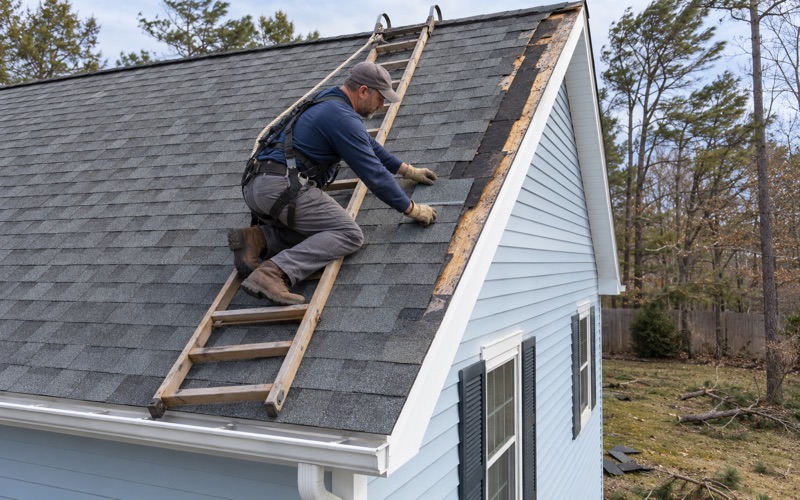
Commercial roofs on the boardwalk have often been patched and overlaid more than once. Under the state rehabilitation subcode, a roof with two or more layers already in place generally calls for a full tear-off, and we price it that way from the start instead of springing it on an owner halfway through.
Once the old material is off, any damaged decking we find is photographed and shown to the owner before it is replaced. The per-sheet price for that decking is already set in the contract, so the number does not change on the day the problem is found, and the owner sees exactly what is being paid for.
Flashing and edges that are replaced, not reused
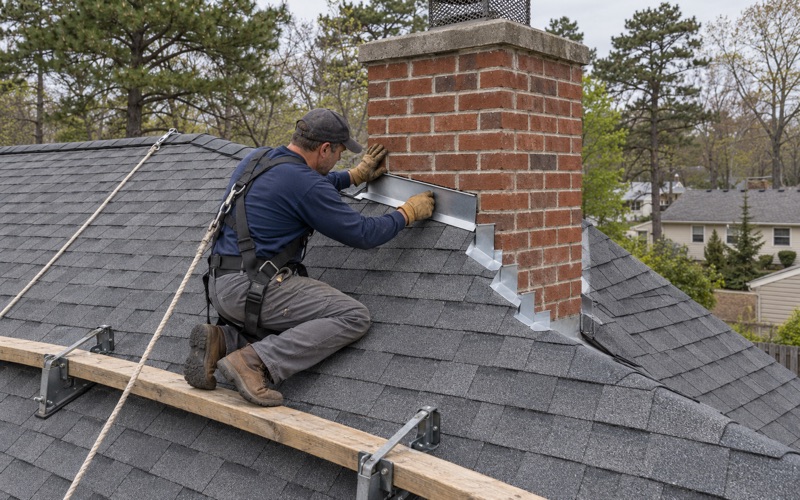
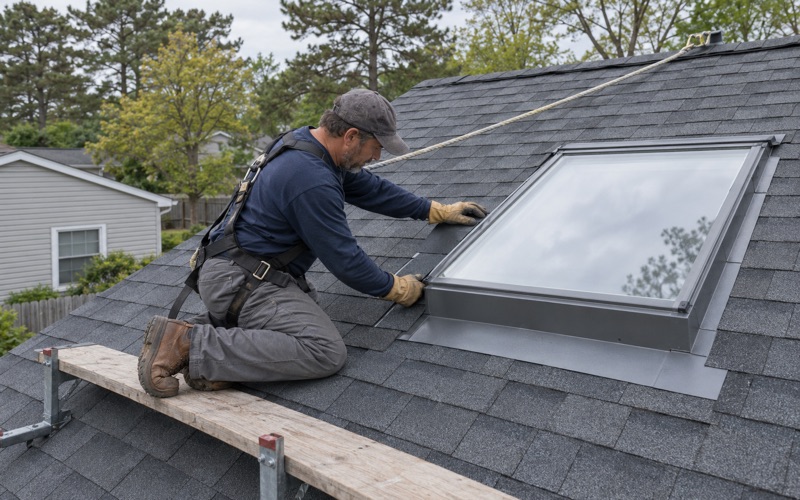
Step, counter and chimney flashing comes off with the old roof and is replaced, never bent back into place under new material. On commercial buildings the same thinking applies to drip edge, parapet coping and the metal around rooftop units, where tired flashing undoes an otherwise sound new membrane.
Because these buildings face the ocean, we choose nails, drip edge and flashing for salt air instead of pulling standard stock off the truck. It costs a little more at the start, and it keeps corroded fasteners from becoming the next leak a few seasons after the job is finished.
Planning Commercial Roof Work on the Boardwalk
Working around the busy months
A boardwalk business earns its year in the warm months, and a roof crew on the building during peak season gets in everyone’s way. In our planning, larger commercial roof work here is usually best scheduled outside the summer, with the permit, materials and crew lined up well before the first visitors return.
That timing is our own scheduling judgment rather than a rule anyone has handed us. Urgent repairs still happen when they are needed, and we will stabilize a leak in July if that is what keeps a business open, then plan the full replacement for a quieter stretch of the calendar.
Snow, wind and the coastal forecast zone
Point Pleasant Beach falls in National Weather Service forecast zone NJZ026, Coastal Ocean, served by the Mount Holly office. In the December 2010 blizzard, a spotter report listed 24.8 inches of snow here. Low-slope commercial roofs collect that weight and the meltwater that follows, so drainage paths matter as much as the membrane.
When we plan a replacement, we look at where water and snowmelt go once they leave the roof surface: scuppers, internal drains, gutters and leaders. A roof that holds water at its low points ages faster no matter how good the material is, so we correct slope and drainage problems in the scope rather than leave them for later.
The houses behind the boardwalk
Away from the boardwalk, most of Point Pleasant Beach is houses, and a good share of them are older: the census counts 662 housing units built in the 1950s and 434 built in 1939 or earlier. Those roofs bring their own questions, from layered shingles to chimneys that need new flashing.
On every house replacement we check attic ventilation, because a roof that cannot breathe ages from underneath. We also clean the driveway, yard and gutters at the end of each work day, with a magnet sweep for roofing nails, so a family can use the property as normal while the work is underway.
- 20+ Years on Shore Roofs
- Line-Item Written Scopes
- Attic and Roof Leak Tracing