Toms River Elite Roofing provides roof inspection in Toms River, NJ, serving surrounding cities including Leisure Village East, Leisure Village, Silver Ridge, Holiday City South and Beachwood. With more than 20 years spent repairing and replacing roofs, we inspect the way a roofer thinks, looking past the shingles at the flashing, decking and airflow that decide how long a roof will really last.
An inspection is useful long before anything leaks. Buyers and sellers want to know where a roof stands, owners want to know what a storm did, and anyone planning solar panels or a sale needs to know how many years are left. A clear report answers those questions without guesswork.
We inspect from the attic as well as from the roof surface, because many problems show up underneath first. Every finding comes with photos and plain language, and we tell you honestly whether something needs attention now, can wait or is simply normal wear.
What a Roof Inspection Covers
Shingles and the Roof Surface
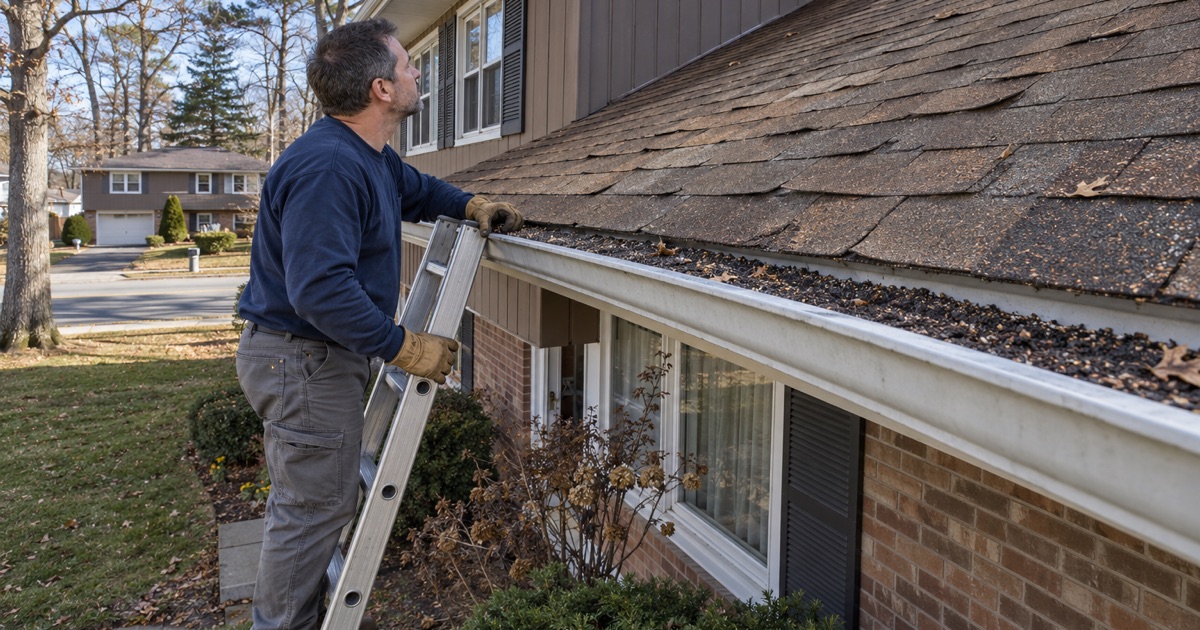
We walk the roof where it is safe to do so and look closely at the shingles: granule loss, curling, cracking, blistering, lifted tabs and creases left by wind. We note the shingle type and estimate the number of layers, since a roof with two layers already in place will need a full tear-off when it is replaced.
Nail pops and exposed fasteners get recorded as well. A nail backing out through a shingle is a leak waiting for the right rain, and spotting a pattern of them often points to decking movement or nailing problems that a single repair would not solve.
Flashing, Penetrations and Edges
Most leaks begin where the roof is interrupted. We examine step flashing along walls, counter flashing at the chimney, pipe boots, vent housings, skylight curbs and valley linings. We also check the drip edge at eaves and rakes and look for kick-out flashing where a roof edge meets a sidewall.
Chimneys get their own attention: the crown, cap and mortar joints all affect whether water reaches the roof deck. Where a wide chimney lacks a cricket to divert water, we point it out, since building codes call for one behind chimneys wider than 30 inches.
Gutters and Drainage
Gutters and leaders carry water away from the roof edge and foundation. We look for sagging runs, loose hangers, clogged outlets and leaks at seams, and check whether water is backing up behind the gutter into the fascia. Overflow stains on siding and worn mulch under a corner often tell the story.
On houses under tall pines, needles pack into gutters and valleys faster than many owners expect. We note where debris collects and whether it is holding moisture against the shingles, which shortens their life on shaded slopes.
Inside the Attic
Ventilation and Airflow
A roof that cannot breathe ages from underneath. We check that soffit intake vents are open, that exhaust vents such as a ridge vent are present and that the two are balanced. Mixed exhaust types, such as a ridge vent alongside gable fans, can short-circuit airflow and leave parts of the attic stagnant.
We also look for heat and moisture clues: darkened sheathing, rusty nail tips and frost marks. Bathroom and kitchen fans that vent into the attic rather than outside are a common source of moisture, and we flag them because they damage the deck no matter how good the shingles are.
Decking and Framing
From inside, we examine the roof sheathing for stains, delamination and soft areas, and check rafters and trusses for cracks, sagging or past water damage. Many Toms River houses date from the 1960s and 1970s and may have original plank or plywood decking, which affects how a future replacement will be priced.
Where we see signs of rot, we tell you how widespread it appears, so a future estimate can include a realistic decking allowance rather than a surprise on tear-off day.
Signs of Past and Active Leaks
Old water stains do not always mean a current leak. We compare stain patterns, moisture readings and the condition of the wood above to judge whether a leak is active or was repaired in the past. That distinction matters to a buyer reading an inspection report and to an owner deciding what to fix.
When a stain is fresh, we trace it back to the roof above and photograph both ends of the path. That pairing, the wet wood inside and the failed detail outside, is what turns an inspection note into a repair someone can actually carry out, rather than a vague line telling you to watch the ceiling.
When an Inspection Makes Sense
Buying or Selling a Home
A roof flagged on a buyer’s inspection can slow a sale or start a price negotiation. For sellers, we provide a written roof condition report that can be handed to the buyer’s inspector, covering the roof’s condition, estimated age range and any repairs we made, so the discussion rests on documented facts.
Buyers benefit from the same detail before closing. Knowing whether a roof has five years left or fifteen changes how a purchase is budgeted, and our report separates urgent repairs from routine upkeep.
After a Storm
Nor’easters and summer thunderstorms can lift shingles and loosen flashing without leaving obvious damage visible from the ground. After a storm, we photograph and describe any damage, with dates, so you have a record for your own insurance claim. If the adjuster visits, we can be there when you ask.
Timing matters here. Damage photographed within days of a storm is easier to connect to that event than damage found months later, when wear and weather have blurred the picture. We note the storm date you give us and describe what looks fresh, such as clean tears, bright exposed asphalt and scattered granules, separately from long-term aging.
Condominiums, Adult Communities and Seasonal Homes
In condominiums and adult communities, responsibility for the roof depends on the association’s documents. When a board or owner asks for an inspection, we check who holds the roof before making repair recommendations, and we can report by building or unit for reserve planning.
Seasonal and second homes are another good fit. Toms River counts more than 6,000 seasonal housing units, and a roof problem that starts in the off-season can run unnoticed for months. A check before closing a house for the winter, or before opening it in spring, catches small issues early.
What You Receive After the Inspection
Photos and a Written Report
The report includes labeled photos of each finding, a short description of what it means and a note on urgency. It is written so you can understand it without a roofing background, and it is yours to keep and share with buyers, insurers or other contractors.
Findings are grouped by area, such as the main roof, porch roof, chimney and attic, so it is easy to match each photo to the part of the house it shows. Where a repair is recommended, the report says what the repair involves in plain terms, which helps if you want quotes from more than one roofer.
An Honest Repair-or-Replace Opinion
If the roof is in good shape, we say so. If repairs will extend its life, we say which ones. If it is nearing the end, we explain why, with the photos to support it. A replacement is never presented as the default answer, and any quote for work is provided separately in writing.
When you do ask us to price work, the estimate lists tear-off, decking, underlayment, flashing, ventilation and gutters on separate lines. That way the inspection findings and the quote line up item by item, and you can see exactly which problem each part of the price addresses.
Planning Ahead for Solar and Major Projects
If you are planning solar panels, a raised-house project or an addition, an inspection now tells you whether the existing roof should be replaced first. Panels are removed and reinstalled whenever the roof beneath them is replaced, so matching the roof’s remaining life to the array’s planned life avoids paying for that work twice.
For additions, we look at how a new roof section will tie into the existing one. Valleys and wall flashings at the junction are where additions most often leak, and planning them with the main roof’s condition in mind keeps the new and old sections working together.
- 20+ Years on Shore Roofs
- Line-Item Written Scopes
- Attic and Roof Leak Tracing